Did you know the essence of flower meanings in your relationship? If not, allow us to educate you on something that will change your relationship game forever.
Flowers have and will always be one of the most desired items. Whether it is Valentine's Day or just an ordinary day, the flowers you buy will affect your partner. He/she will surely smile ear to ear and then boast about it to all their friends. Thus, making you the good and decent one. So, let's find out the significance of flowers in your relationship and how you can master the art of being the best boyfriend/girlfriend.
Romance Element
We have all been through the honeymoon period, which sadly only lasts for a short time. That is why regularly buying flowers for girlfriends or wives is an ideal way to keep some part of the honeymoon phase alive. The best way to go about this is to give them their favourite blooms once in two weeks.
Build Friendship
As we grow old, it becomes tougher to make new friends. So, the easiest way to build stronger friendships with your pals or even your partner is by relying on the emotional impact of flowers.
Blooms help forge friendships and relationships with ease because they make the recipient feel loved. Also, as they say, relationships become stronger only when they begin as friendships. Thus, your cue to send flowers for him or her.
Bring Happiness
Who does not like to receive gifts? Moreover, who does not love to get flowers from a beloved? The innate beauty of flowers can make the grumpiest person smile ear to ear. So, imagine what a beautiful flower bouquet will do to your beau?
Whether you pick a single rose or a basket of lilies, they will indeed make your partner jump with excitement. Therefore, bringing a plethora of happiness and joy to their life.
Help Patch Fights
Have you been arguing a lot? While having a healthy and open conversation is the way to go, you need a conversation starter. Nothing is better than a bunch of fresh flowers for your girlfriend or wife is probably fuming with anger. Get it home or hand-delivered by going yourself to initiate a start to patch things up.
On that note, if you ever want to apologize sincerely, never underestimate the emotional impact of flowers. You may have made the biggest blunder, but an arrangement of fresh-scented blooms will bring you a step closer to forgiveness.
Perfect Way to Express
Many a time, you will find yourself at a loss for words. You might want to speak about your feelings and affections, but only air seems to come out of your mouth. Don't worry; we have all been there! The solution to this little nervousness is buying flowers for him or her. Gifting flowers to a beloved is not just an act of love but a way for you to express yourself.
For centuries, flowers have been presented as a way to woo and impress another. Also, to speak when mere words fail to do so. So, rely on the sentimental and emotional impact of flowers to convey all your feelings.
Gurnika Talwar is FNP’s marketing and creative content writer and has been with the firm since 2020. She is based in Delhi, India and has been in this field for 2+ years.
She started her journey as a freshman but since then has created content on several mediums. With blogging on gift ideas, food, gardening tips and whatnot as her primary goal, she has also curated content for social media and brand films. As a storyteller, she creates original, genuine, and relatable content to connect with the mass. Besides work, you’ll find her chit-chatting about movies or making sarcastic jokes.

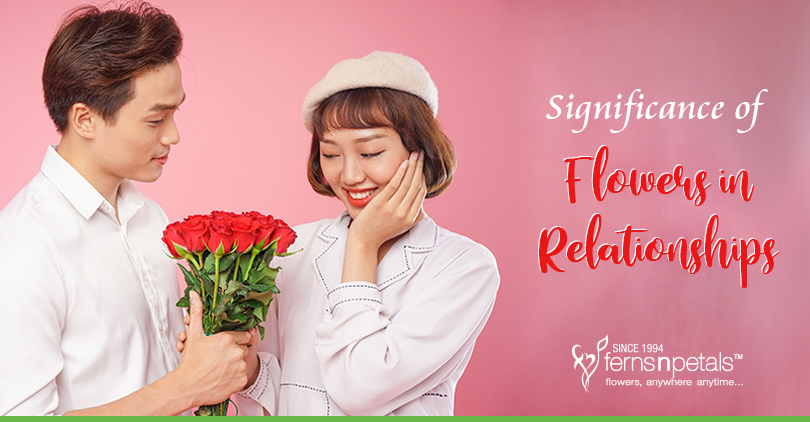
 We have all been through the honeymoon period, which sadly only lasts for a short time. That is why regularly buying flowers for girlfriends or wives is an ideal way to keep some part of the honeymoon phase alive. The best way to go about this is to give them their favourite blooms once in two weeks.
 As we grow old, it becomes tougher to make new friends. So, the easiest way to build stronger friendships with your pals or even your partner is by relying on the emotional impact of flowers.
Blooms help forge friendships and relationships with ease because they make the recipient feel loved. Also, as they say, relationships become stronger only when they begin as friendships. Thus, your cue to send flowers for him or her.
As we grow old, it becomes tougher to make new friends. So, the easiest way to build stronger friendships with your pals or even your partner is by relying on the emotional impact of flowers.
Blooms help forge friendships and relationships with ease because they make the recipient feel loved. Also, as they say, relationships become stronger only when they begin as friendships. Thus, your cue to send flowers for him or her.
 Who does not like to receive gifts? Moreover, who does not love to get flowers from a beloved? The innate beauty of flowers can make the grumpiest person smile ear to ear. So, imagine what a beautiful flower bouquet will do to your beau?
Whether you pick a single rose or a basket of lilies, they will indeed make your partner jump with excitement. Therefore, bringing a plethora of happiness and joy to their life.
Who does not like to receive gifts? Moreover, who does not love to get flowers from a beloved? The innate beauty of flowers can make the grumpiest person smile ear to ear. So, imagine what a beautiful flower bouquet will do to your beau?
Whether you pick a single rose or a basket of lilies, they will indeed make your partner jump with excitement. Therefore, bringing a plethora of happiness and joy to their life.
 Have you been arguing a lot? While having a healthy and open conversation is the way to go, you need a conversation starter. Nothing is better than a bunch of fresh flowers for your girlfriend or wife is probably fuming with anger. Get it home or hand-delivered by going yourself to initiate a start to patch things up.
On that note, if you ever want to apologize sincerely, never underestimate the emotional impact of flowers. You may have made the biggest blunder, but an arrangement of fresh-scented blooms will bring you a step closer to forgiveness.
Have you been arguing a lot? While having a healthy and open conversation is the way to go, you need a conversation starter. Nothing is better than a bunch of fresh flowers for your girlfriend or wife is probably fuming with anger. Get it home or hand-delivered by going yourself to initiate a start to patch things up.
On that note, if you ever want to apologize sincerely, never underestimate the emotional impact of flowers. You may have made the biggest blunder, but an arrangement of fresh-scented blooms will bring you a step closer to forgiveness.
 Many a time, you will find yourself at a loss for words. You might want to speak about your feelings and affections, but only air seems to come out of your mouth. Don't worry; we have all been there! The solution to this little nervousness is buying flowers for him or her. Gifting flowers to a beloved is not just an act of love but a way for you to express yourself.
For centuries, flowers have been presented as a way to woo and impress another. Also, to speak when mere words fail to do so. So, rely on the sentimental and emotional impact of flowers to convey all your feelings.
Many a time, you will find yourself at a loss for words. You might want to speak about your feelings and affections, but only air seems to come out of your mouth. Don't worry; we have all been there! The solution to this little nervousness is buying flowers for him or her. Gifting flowers to a beloved is not just an act of love but a way for you to express yourself.
For centuries, flowers have been presented as a way to woo and impress another. Also, to speak when mere words fail to do so. So, rely on the sentimental and emotional impact of flowers to convey all your feelings.