

Glycerine
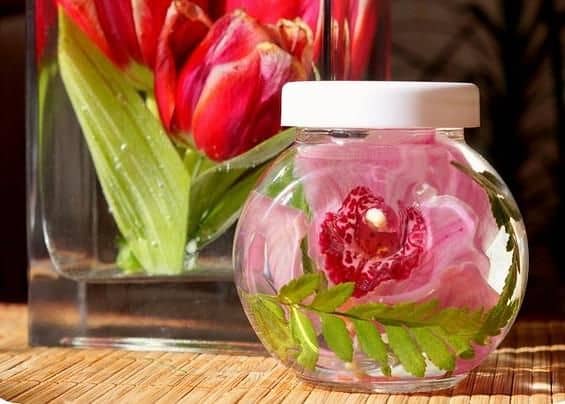 Glycerine is a great way to maintain your dried flowers as it acts as a replacement for water resulting in a plant that does not dry out. All you have to do is soak the flowers in glycerine so they can absorb the substance. This will keep them looking very fresh and wrinkle-free.
Pros
- Very easy to do
- Maintains texture of petals
Cons
- Costly
- Colour fades with time
- It takes weeks to set
Microwaving
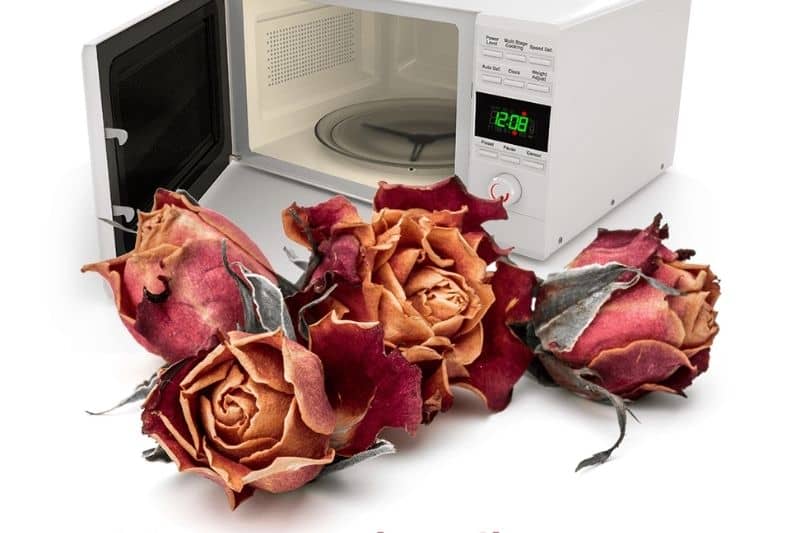 Microwaving is a unique and somewhat unconventional way to achieve the required level of preserved flowers. This method involves removing the unnecessary stems and covering the flower fully in silica gel. Set the microwave for defrosting for two-five minutes and there you have your new dried flower.
Pros
- Very fast
- Very cost-effective
- Hassle-free process
Cons
- Hard to judge the flowers dryness
- Too much heat can make the petals brittle
Sand
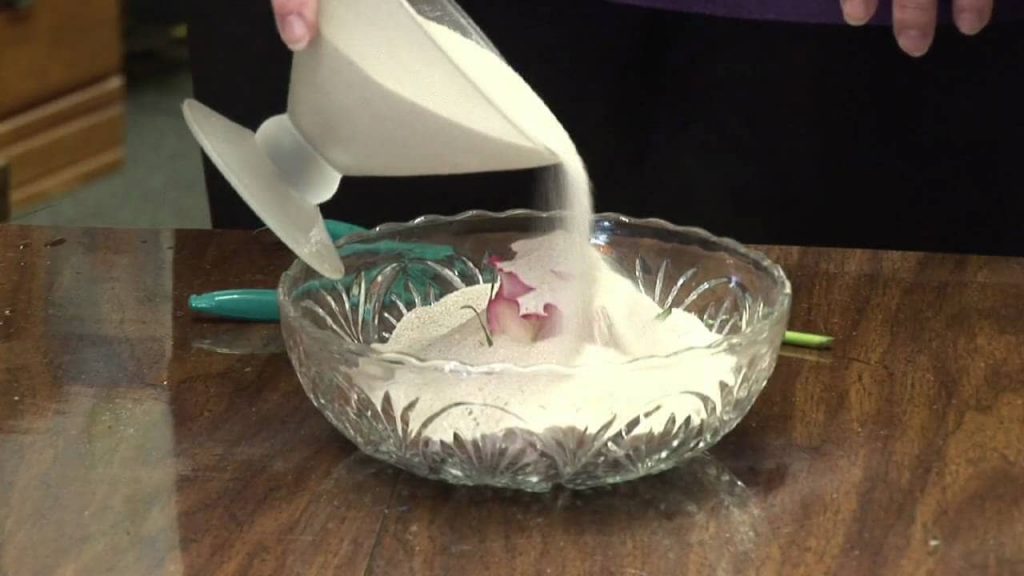 A convenient way to dry the moisture out of the flowers is to put some sand on them. That’s right, sand is quite an efficient method with simple steps. Cut out the stems and put the flower in the centre of the bowl filled with sand. Then slowly pour the sand on the flower but carefully as you don’t want to damage the petals. After a few mins, take the flower out and brush off the sand grains.
Pros
- Highly simple
- Very cost-effective
- Hassle-free process
Cons
- Can get very messy
Pressing
 One of the oldest methods to achieve the desired result is pressing. The process involves using heavy books and absorbent paper to press the flowers. Place the flower which is covered by the paper in the centre of the book and close it. Put some heavy books to keep the flower pressed for a few days.
Pros
- Petals retain texture and colour
- Very simple
- Very cost-effective
Cons
- Limits the display of flowers
- Flowers can be easily crushed or damaged
Silica Gel
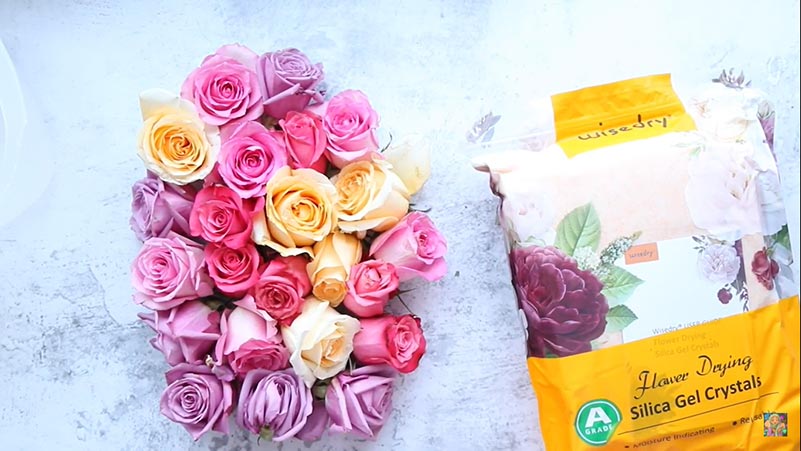 Silica gel may not be an easy or cheap method to obtain top-notch preserved flowers but it is highly recommended. Here is how you go about it- first, cut off the stems and pour some silica gel into the petals. Now, place each one of them upright in a box filled with silica gel. Then, bury each flower with the gel and close the lid of the air-tight container. Keep it closed for two weeks.
Pros
- Easy to check the dryness of the flowers
- Can control the dryness of the flowers
- The gel can be reused multiple times
Cons
- Expensive method
- Time-consuming
Epoxy Resin
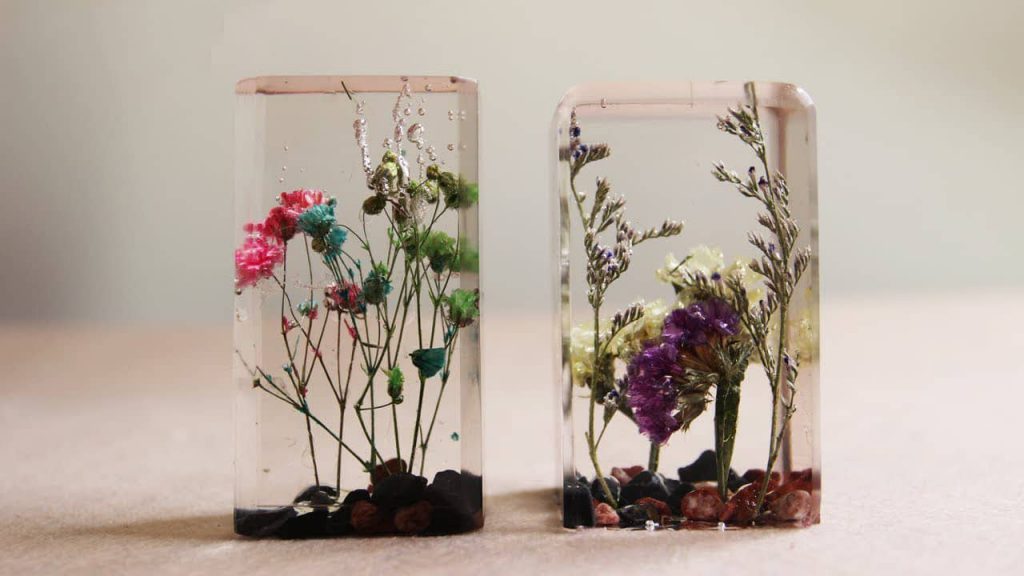 The internet is going gaga over epoxy resin for preserving almost everything. This process works quite simply. First, you need to buy a mould of your choice as it will be the decorative piece in your home. Then, pour some resin into the mould, stop halfway to add the flowers and fill the remaining area with the resin. Let it dry for a few hours, once it is hard, you have your new beautiful showpiece.
Pros
- Make cool shapes
- Add bright colours
- Fast process
Cons
- Cannot change the position of the flower
- Limits the display of flowers
Air Drying
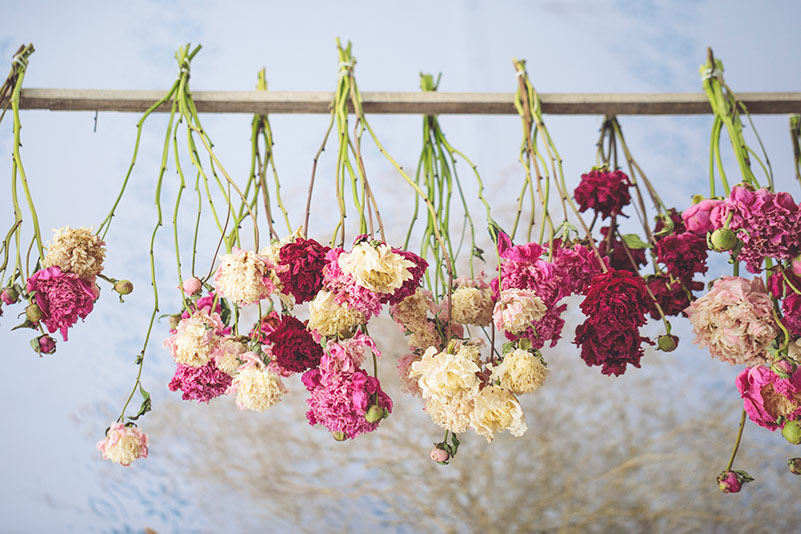 One of the easiest ways to preserve flowers is to air dry them. You have to take the leaves off the stem and tie the flowers in small bundles with a rubber band. Now, hang them upside down in a well-ventilated area and out of sunlight.
Pros
- Flowers retain smell and shape
- Hassle-free process
Cons
- Time-consuming
- Petals become very brittle
Wax Dipping
 Wax dipping is one of the lesser-known yet effective ways to preserve flowers while maintaining their fresh appearance for a short period. This method involves melting paraffin wax and dipping each flower into it briefly. Once coated, place the flowers in cold water to help the wax set.
Pros
- Preserves the fresh look of flowers
- Quick and easy process
- Ideal for special occasions and displays
Cons
- Not suitable for long-term preservation
- Flowers can become fragile over time
- Requires handling hot wax carefully
Freeze Drying
 If you're wondering how to preserve flowers while retaining their original beauty, freeze drying is one of the most effective methods available. It involves freezing the flowers and removing moisture through a vacuum process. While this technique is usually carried out by professionals, it delivers stunning results that closely resemble fresh blooms and is often used for preserving wedding flowers and a preserved flower bouquet.
Pros
- Retains shape, colour, and texture exceptionally well
- Long-lasting preservation
- Ideal for sentimental flowers such as wedding bouquets
Cons
- Expensive method
- Requires specialized equipment
- Not a DIY-friendly option
Hairspray Preservation
 Hairspray can help extend the life of dried flowers by providing a protective coating that minimizes petal loss. After air drying the flowers, lightly spray them from a distance and allow them to dry completely. This simple trick works well when learning how to dry flowers and maintain their appearance for decorative purposes.
Pros
- Very affordable
- Helps prevent petal shedding
- Quick and easy application
Cons
- Does not preserve fresh flowers
- May make flowers stiff
- Limited preservation benefits compared to other methods
Flower Preservation Methods Comparison Table
Whether you're looking to preserve flowers at home or create a beautiful keepsake, the table below compares the most popular flower preservation techniques.
| Method | Cost | Time Required | Difficulty Level | Colour Retention | Shape Retention | Best For |
|---|---|---|---|---|---|---|
| Glycerine | High | 2–6 weeks | Easy | Moderate | Excellent | Foliage and sturdy flowers |
| Microwaving | Low | 5–15 minutes | Moderate | Good | Good | Quick preservation |
| Sand | Very Low | 1–3 weeks | Easy | Moderate | Good | Budget-friendly drying |
| Pressing | Very Low | 1–4 weeks | Easy | Good | Low (flattened) | Crafts and framing |
| Silica Gel | Medium-High | 1–2 weeks | Moderate | Excellent | Excellent | Display flowers |
| Epoxy Resin | Medium | 1–3 days | Moderate | Excellent | Excellent | Decorative keepsakes |
| Air Drying | Very Low | 2–4 weeks | Easy | Fair | Good | Rustic arrangements and a dried flower bouquet |
| Wax Dipping | Low-Medium | 30 minutes | Easy | Excellent | Excellent | Short-term displays |
| Freeze Drying | Very High | Several weeks | Advanced/Professional | Excellent | Excellent | Wedding bouquets and heirlooms |
| Hairspray Preservation | Very Low | Few hours | Very Easy | Fair | Fair | Protecting dried flowers |