Red Rose Flower Therapy: How Roses Heal the Heart, Mind & Mood

There’s something quietly grounding about red roses. You don’t need to overthink it or analyse why. A brief glance at their deep colour, the softness of their petals, or the faint scent in the air, and the body responds almost instinctively.

For centuries, red rose flowers have been associated with love, care, and emotional closeness. Today, science is beginning to explain what many of us have always felt, roses don’t just look beautiful, they can gently support emotional wellbeing too.

This natural connection between flowers and emotional balance is often described as flower therapy, not as a medical practice, but as a way nature helps us slow down, feel safe, and reconnect with ourselves.

red roses in clear glass vase

Source: Unsplash


The Physiological Effects of Seeing Red Roses

Our bodies are constantly reacting to our surroundings, even when we’re not aware of it. Visual cues, especially those from nature, play a powerful role in how relaxed or tense we feel.

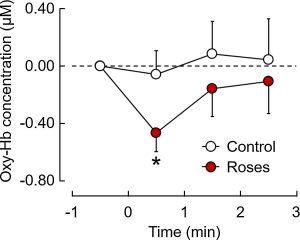
Research observing people as they viewed fresh red roses found noticeable calming responses in the brain. Participants showed reduced mental tension and a more relaxed emotional state simply by looking at the flowers without touching or smelling them (ScienceDirect).

This explains why roses often feel soothing rather than stimulating. They invite the nervous system to settle, offering a gentle pause from mental noise. This subtle response is a key part of healing with roses - calm that arrives naturally, without effort.

red roses

Source: Unsplash


Experimental Evidence: How Roses Influence Happiness

Flowers don’t just change how a space looks, they influence how we feel within it.

A well-known Rutgers University study on the emotional impact of flowers found that receiving or even being around flowers leads to:

  • Immediate happiness
  • Long-term positive mood
  • Reduced anxiety and emotional fatigue


This is why roses often feel emotionally comforting even on ordinary days. Their impact isn’t loud or instant - it’s steady, reassuring, and deeply human. This makes them especially relevant when we talk about roses for mental health, offering emotional support without overwhelm.

Source: ScienceDirect


Why the Scent of Roses Feels So Comforting

Beyond what we see, roses work through scent, one of the most emotionally powerful senses.

Smell has a direct pathway to the brain’s emotional centre, which is why certain fragrances can instantly evoke calm, nostalgia, or comfort. 

Research in Aromachology (the study of scent and behaviour) shows that rose aroma is linked to:

  • Reduced cortisol (stress hormone)
  • Emotional grounding
  • Gentle uplift in mood


This sensory connection is the foundation of aromatherapy roses, where rose fragrance is used to encourage emotional balance and calm, not through intensity, but through softness.

Woman holding a large bouquet of red roses

Source: Unsplash


Also Read: Know The Hidden Message Behind Number of Roses

Why Humans Naturally Respond to Flowers?

Our response to flowers is deeply instinctive.

From a psychological perspective, flowers signal:

  • A safe, life-supporting environment
  • Abundance and renewal
  • A pause from mental noise 


Being around natural elements helps the brain recover from mental fatigue caused by constant stimulation. This idea is supported by the Attention Restoration Theory, which explains how nature allows the mind to rest and reset.

Colour also plays an important role. Warm tones like red are associated with emotional energy and connection, which may explain why red roses feel more emotionally engaging than lighter blooms (Colour Psychology of Flowers).

Together, these elements explain the gentle flower therapy mood boost many people experience just by having flowers nearby.

a bush of red roses

Source: Unsplash


The Therapeutic Power of Red Rose Varieties

Not all red roses feel the same. Each variety carries a slightly different emotional tone, shaped by its colour depth, texture, and presence.

  • Rose Red Naomi: Known for its large heads and velvety petals, offering a feeling of warmth and emotional depth
  • Rose Ever Red: Classic and balanced, creating a sense of reassurance
  • Rose Born Free: Bold and expressive, often associated with emotional release
  • Rose Freedom: Deep-toned and grounding, bringing visual comfort
  • Rose Revolution: Modern and vibrant, symbolising strength and passion
  • Rose Red Tacazzi+: Textured and versatile, adding emotional richness
  • Rose Madam Red: Refined and elegant, ideal for a calm, intimate atmosphere


These qualities contribute to the red roses therapeutic effects people feel, subtle shifts in mood that feel comforting rather than overwhelming.

a close up of a red flower with water droplets on it

Source: Unsplash


How Roses Support Emotional Wellbeing in Everyday Life

Roses don’t need elaborate rituals to make a difference. Small, intentional moments are often enough.

A Visual Pause

Keeping roses where your eyes naturally rest, on a bedside table or work desk, can help ease mental tension throughout the day.

Scented Stillness

Slowly breathing in rose fragrance, even for a minute, can offer gentle rose aromatherapy stress relief, especially during emotionally heavy moments. 

A Warm Cup of Calm

Rose-infused beverages have long been associated with emotional comfort. Enjoyed mindfully, they are often linked to rose tea mood benefits, encouraging relaxation and emotional softness.

Petals for Emotional Ease


Using rose petals in warm water or as part of a quiet evening ritual can help ground the senses, making them a gentle option for those exploring rose petals for anxiety.

The Emotional Memory of Roses


Scent and memory are closely connected. Smells can instantly bring back emotions, places, or moments, often without conscious effort. This is because smell connects directly to emotional memory centres in the brain (Olfactory Memory).

This may explain why roses often feel personal. Their scent doesn’t just calm the present moment, it gently connects us to feelings of care, comfort, and familiarity.

red rose flower

Source: Unsplash


A Gentle Conclusion

Roses don’t heal loudly.

They don’t rush or demand attention.

They simply exist and in doing so, invite us to slow down.

Through colour that comforts, scent that soothes, and presence that steadies the mind, roses offer a quiet form of emotional care. Sometimes, wellbeing doesn’t come from doing more - it comes from noticing what’s already around us.

And often, that quiet support looks a lot like a rose.

FAQs:

Q.1 What is red rose flower therapy?

Red rose flower therapy refers to using the sight, scent, and presence of red roses to encourage emotional calm, reduce mental stress, and support overall mood naturally.

Q.2 How can roses improve mood and emotional well-being?

Roses stimulate positive emotional responses through colour, scent, and visual softness, helping the brain relax, lift mood gently, and create a sense of comfort and emotional balance.

Q.3 Do roses really help reduce stress and anxiety?

Yes. Studies show that viewing or smelling roses can calm the nervous system, lower stress responses, and create a soothing effect that helps reduce feelings of anxiety.

Q.4 What are some ways to practice rose therapy?

Simple practices include keeping fresh roses nearby, inhaling rose fragrance mindfully, using rose petals in warm water, or taking quiet moments to observe and breathe around them.

Q.5 Can drinking rose tea help emotional health?

Rose tea is traditionally used to promote relaxation and emotional ease. When consumed mindfully, it may help calm the mind, support mood balance, and encourage slower breathing.

Q.6 Are there any scientific studies on roses and mood?

Yes. Research has shown that viewing roses can reduce brain stress activity and improve mood, while floral exposure overall is linked to increased happiness and emotional wellbeing.

Explore More Gifts:

Valentine's Day Roses | Valentine's Day Flowers | Rose Bouquets | Red Flowers | Dried Flowers | Flower Boxes | Forever Roses | Birthday Flowers | Anniversary Flowers

About the author

Preeti Sharma

Preeti Sharma is a seasoned writer at FNP, one of the most trusted names in flowers, plants, and thoughtful presents across the globe. With over three years of experience crafting engaging, search-friendly content, she specialises in translating emotions into words, whether it's for birthdays, anniversaries, seasonal festivals, or just-because surprises.

Before dedicating her creativity to the world of gifting, Preeti honed her skills in diverse industries. Today, she brings that rich storytelling background to help customers find the perfect way to express their love through flowers, personalised gifts, and lush green plants.