

Floral Traditions in Chinatown That Define Festivals
1. Chinese New Year (Lunar New Year)
Chinese New Year is the most vibrant and emotionally charged celebration in Chinatown. It marks renewal, fresh beginnings, and the hope for prosperity in the year ahead. Homes are cleaned, debts are cleared, and flowers are brought in to symbolically invite good fortune, happiness, and growth for the family.Flowers used and their meanings:
- Peach Blossoms: romance, new beginnings, and luck, closely tied to traditional Lunar New Year flower meanings
- Plum Blossoms: resilience, hope, and renewal
- Orchids: fertility, abundance, and refinement
- Chrysanthemums: longevity and wealth
- Pussy Willows: growth and prosperity

Image Source: Pexels
2. Lantern Festival (Chap Goh Mei)
The Lantern Festival marks the final chapter of Chinese New Year celebrations. The mood shifts from excitement to reflection, focusing on harmony, completeness, and togetherness. Families gather under glowing lanterns, and flowers chosen for this day reflect balance and continuity rather than abundance.Flowers used and their meanings:
- Orchids: harmony and elegance
- Peonies: love, prosperity, and beauty, highlighting peony symbolism in festivals
- Plum Blossoms: continuation of New Year blessings

Image Source: Unsplash
3. Mid-Autumn Festival
The Mid-Autumn Festival is deeply emotional, centred on reunion and gratitude. In Chinatown, it is celebrated with mooncakes, lanterns, and quiet family moments. Flowers are often subtle but meaningful, reinforcing themes of unity, reflection, and calm.Flowers used and their meanings:
- Lotus Flowers: purity, enlightenment, and family unity
- Chrysanthemums: longevity and seasonal balance
- Osmanthus: sweetness, romance, and reunion

Image Source: Unsplash
Also Read: 2026 Flower Trends: What’s Hot in Bouquets & Arrangements
4. Qingming Festival (Tomb-Sweeping Day)
Qingming is a solemn festival dedicated to honouring ancestors. Families visit graves, clean them, and offer flowers as gestures of remembrance. The florals used are intentionally restrained, reflecting respect, humility, and emotional depth rather than celebration.Flowers used and their meanings:
- White Chrysanthemums: remembrance and mourning
- White Lilies: purity and peace
- White Orchids: reverence and respect
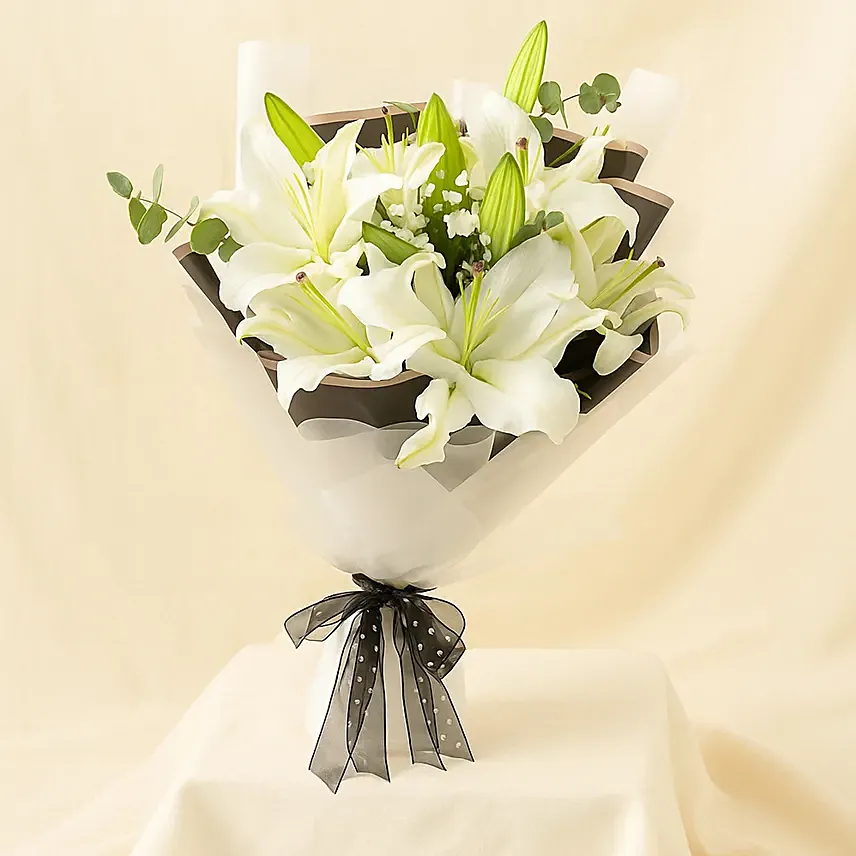
Image Source: FNP.sg
5. Dragon Boat Festival
The Dragon Boat Festival blends folklore, health rituals, and protection. Traditionally believed to ward off illness and misfortune, this festival uses flowers and plants chosen for their protective qualities rather than decorative appeal, especially in homes and temples.Flowers used and their meanings:
- Calamus Flowers: protection from illness
- Mugwort: warding off negative energy
- Iris Flowers: strength and health

Image Source: Unsplash
6. Hungry Ghost Festival
During the Hungry Ghost Festival, Chinatown adopts a quieter rhythm. Offerings are made to wandering spirits as acts of compassion and respect. Flowers are part of these offerings, chosen to symbolise peace, cleansing, and humility rather than celebration.Flowers used and their meanings:
- Chrysanthemums: respect for spirits
- Lotus Flowers: spiritual cleansing
- White Flowers: offerings for wandering souls

Image Source: Unsplash
7. Vesak Day
Vesak Day is one of the most sacred occasions for the Chinese Buddhist community. Temples fill with devotees offering flowers as symbols of impermanence, mindfulness, and spiritual awakening. The atmosphere is calm, reflective, and deeply reverent.Flowers used and their meanings:
- Lotus Flowers: enlightenment, purity, and rebirth
- Jasmine: serenity and devotion
- Orchids: grace and mindfulness

Image Source: Unsplash
Also Read: How to Choose Between Fresh, Dried and Preserved Flowers for Every Occasion
Deepavali (In and Around Chinatown)
Singapore’s multicultural landscape means Deepavali is also visible in and around Chinatown. Shared spaces, markets, and neighbourhoods reflect this cultural overlap. Flowers during Deepavali represent light, positivity, and new beginnings.Flowers used and their meanings:
- Marigolds: prosperity, positivity, and divine blessings
- Lotus Flowers: spiritual awakening
- Jasmine: purity and auspiciousness

Image Source: Unsplash
Double Ninth Festival (Chongyang Festival)
The Double Ninth Festival focuses on longevity, health, and respect for elders. In Chinatown, it is observed quietly through temple visits and symbolic offerings, with flowers reflecting wisdom, endurance, and the passage of time.Flowers used and their meanings:
- Chrysanthemums: longevity and protection
- Plum Blossoms: endurance and strength, reflecting plum blossom cultural meaning
- Orchids: dignity and wisdom
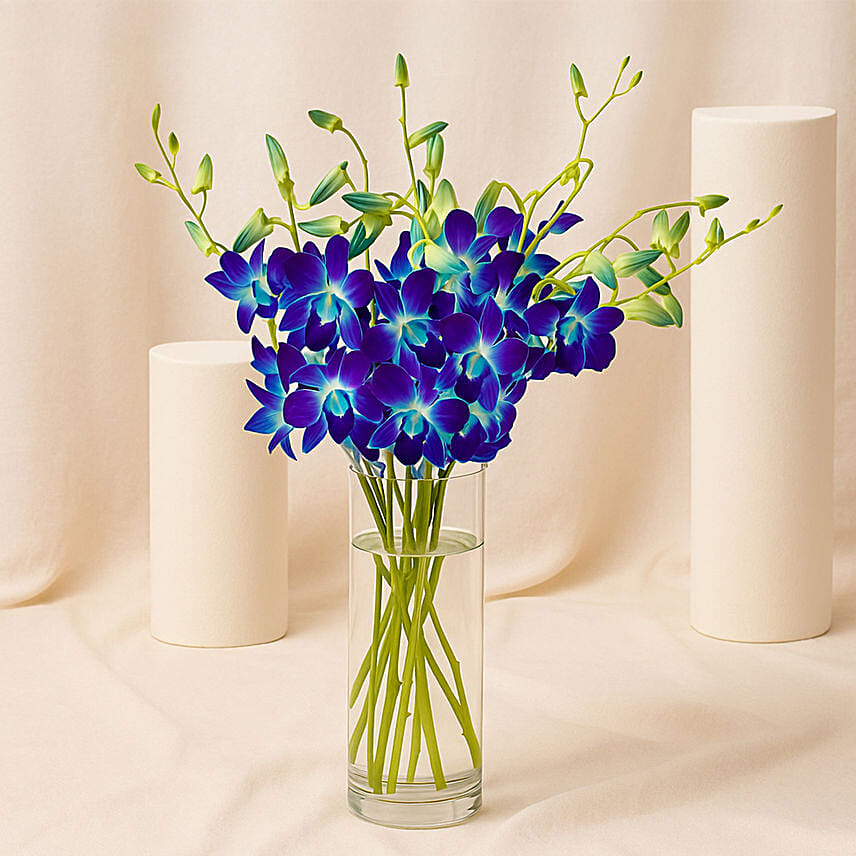
Image Source: fnp.sg
Qixi Festival (Chinese Valentine’s Day)
Qixi celebrates love, devotion, and emotional connection. In Chinatown, flowers are gifted between couples or offered in temples to bless relationships. Floral choices here emphasise romance and sincerity rather than grandeur.Flowers used and their meanings:
- Peonies: romantic fulfilment and beauty
- Orchids: emotional connection and elegance
- Lotus Flowers: pure and meaningful love
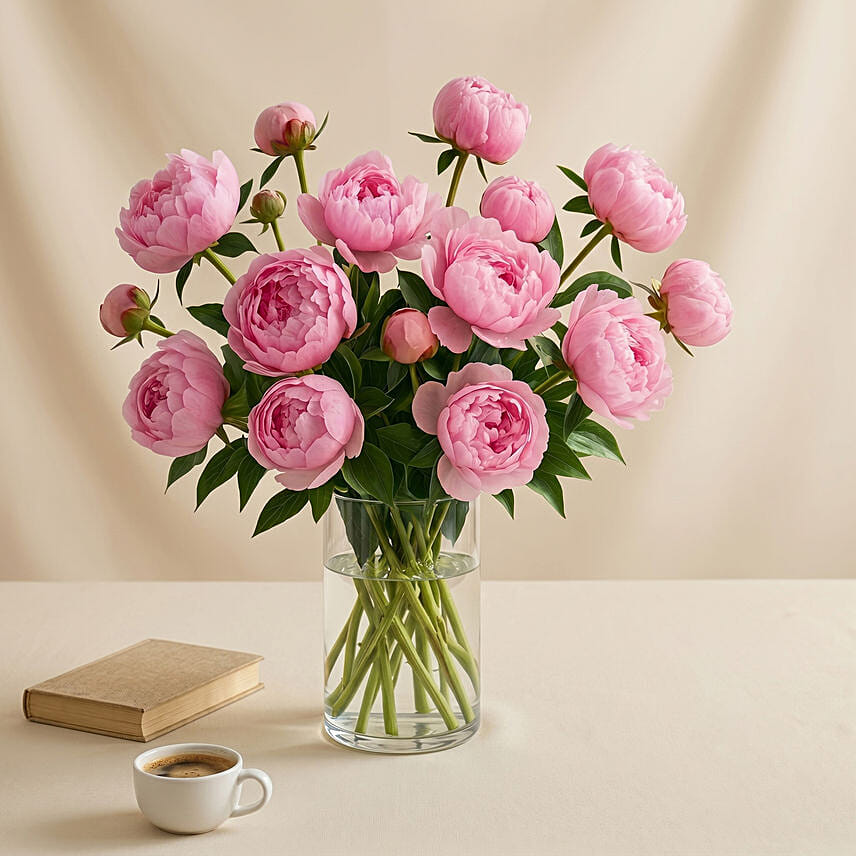
Image Source: FNP.sg
520 Day
520 Day is a modern celebration shaped by contemporary gifting culture. Though not traditional, it has naturally blended into today’s floral expressions of affection, especially in urban Chinatown settings.Flowers used and their meanings:
- Roses: love and passion
- Peonies: emotional abundance
- Orchids: thoughtful and refined affection
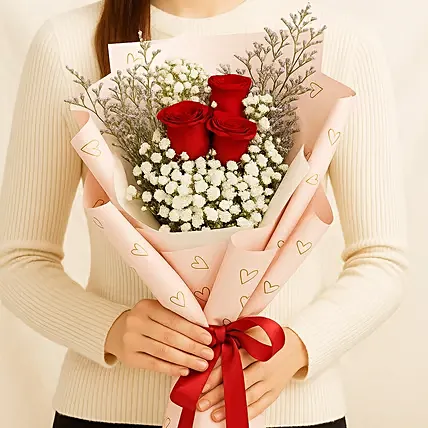
Image Source: FNP.sg


